

Why Volunteer Recruitment and Retention Fails (And What to Do Instead)
March 19, 2026 | By David M. Wagner
Knowledgeable, dependable volunteers (including board members!) are the lifeblood of many nonprofits.
But across the U.S., formal volunteerism and organizational membership have been declining.
Perhaps you’ve felt the strain: struggling to fill volunteer shifts. Asking more of a small and shrinking pool of dedicated individuals. Even canceling programs due to insufficient volunteer staffing.
Fortunately, you have two big levers under your control: how you design your volunteer experience, and how you promote it to volunteer candidates.
Here’s the mistake many nonprofits make – and what you can do instead to cultivate a thriving pool of volunteers.
For Once, Don’t Be (Only) Mission-Focused
The NUMBER ONE mistake nonprofits make in communicating their volunteer opportunities is making it all about them.
“We need your support.” “Help us achieve our mission.” “We can’t do this without you.”
If you’re trying to persuade someone to do something, like volunteer (or become a donor, sponsor, or board member), you’re unlikely to get very far by emphasizing what’s in it for you.
Even focusing on how the mission benefits from the work of volunteers, while marginally better (more on that below), misses the point.
Your potential volunteers might care about what you or your mission will get out of their service.
But they definitely care about what they will get out of it, even if they wouldn’t put it in those words.
Don't Make an Ask - Make an Offer
In Managing a Nonprofit Organization, Thomas Wolf emphasizes that nonprofits “must consider the motivations of prospective volunteers if they want their help.”
Why?
It’s simple: you’re not offering wages in exchange for volunteers’ labor. So you need to offer something else.
Wolf offers the story of an art museum that struggled to recruit volunteer guides, partly because of the lengthy training required.
That is, until they realized that the training itself – a free chance to learn about the museum’s collection in depth, from experts – was a huge draw to many of their members.
They started advertising the training seminar, instead of asking for volunteers – and then asking (the now FULLY TRAINED) attendees if they would like to serve as guides. The result? A waiting list of volunteers!
Focus on What’s in it for Them
Getting training and learning about a field – such as in the above example – are two common volunteer motivations that Wolf lists, along with:
Positive self-image
Altruism
Socializing and community
Entrepreneurialism
Opportunities for professional contacts and social stature
Career and skills development
Creating an experience that caters to your volunteers’ motivations might mean making some adjustments to your current volunteer opportunities.
For instance:
Volunteers that I’ve interviewed for clients have suggested that more training and insight into how the organization works would both help them be better a their “jobs” and make the experience more enjoyable.
Many organizations host volunteer recognition events or offer special access or privileges to fundraising events, which can align with motivations like self-image, social stature, socializing, and developing contacts.
In many cases, however, you won’t need to change your programs to align with volunteers’ needs – you only need to adjust how you talk about the volunteer experience.
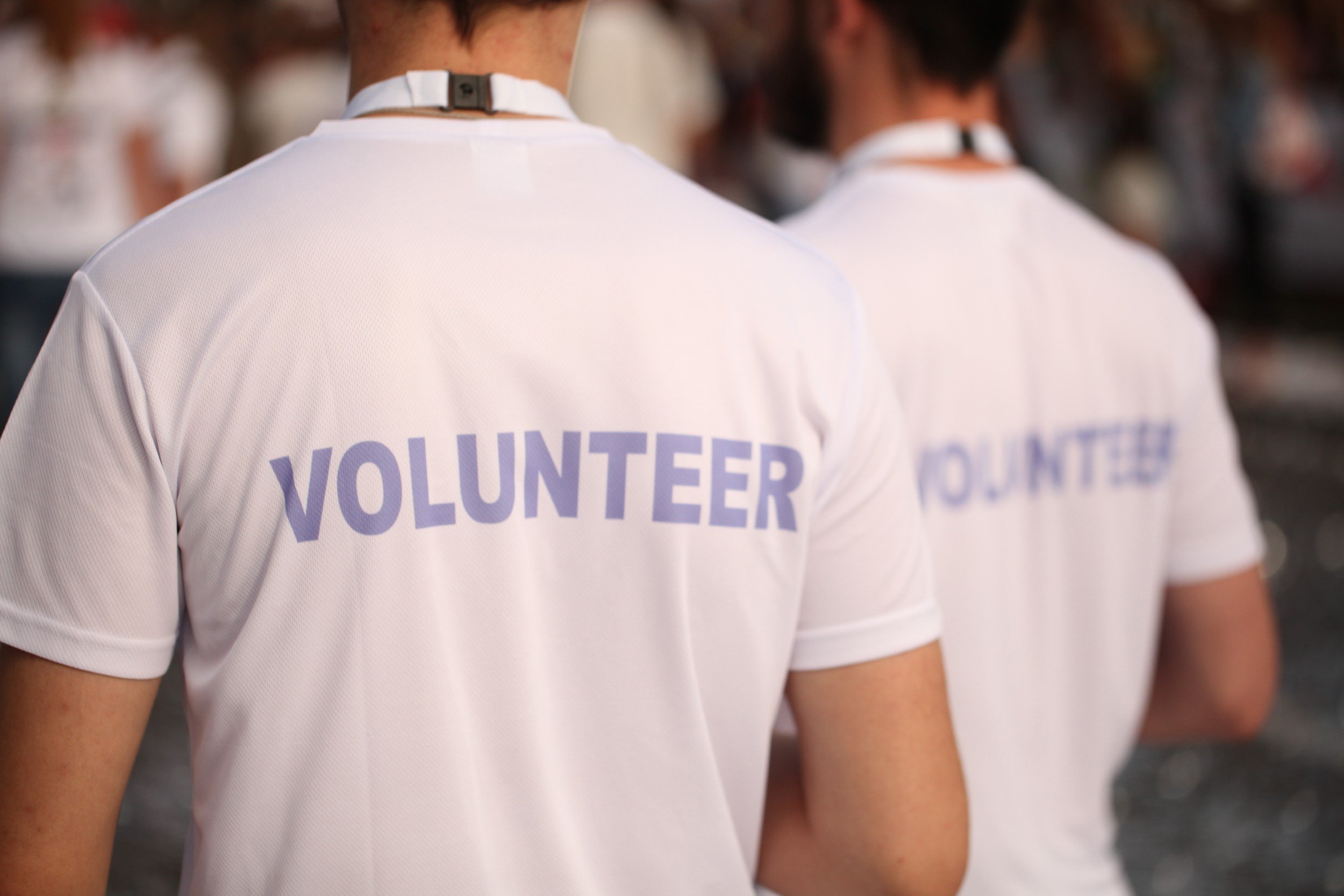
Appeal to community members’ sense of self-image and altruism with a picture of a volunteer (in a branded shirt) getting a giant hug from someone they helped through your organization.
Share stories of people who used the skills they developed as volunteers to get a job or a promotion.
At this point, it’s fair to ask, “how will I know what – specifically – would motivate someone to volunteer with us?”
My advice? Ask your existing volunteers why they chose (and continue to choose) to be involved.
Their responses will guide you on how you can further tailor the volunteer experience to address those needs, how you can better market your volunteer opportunities, or both.
Need an independent party to gather that feedback, or a guide to help optimize your volunteer program? Let’s talk about how I can help!