

When Strengths Become Weaknesses – And What to Do About It
May 21, 2026 | By David M. Wagner
I’m analytical by nature.
90% of the time, I think that my ability to see all sides of a decision, identify what’s most important, and evaluate different options serves me (and my clients) well.
The other 10% of the time, well…I’m sure you’ve heard of “analysis paralysis.”
The result can be precious time lost weighing my choices for something that is only slightly consequential, like what platform to use for sending out this newsletter. (I looked at a lot of options before settling on my current system a couple years ago.)
I view my analytical quality as a strength. And yet, applied in the extreme, it can become a weakness – or at least, there are downsides.
I give credit to my colleague Amanda Silver for introducing this way of considering our strengths. In a recent workshop, she challenged the audience to consider what strengths they bring to collaboration, and how those strengths can also have negative consequences for partnerships.
The topic has come up several times in just the past week, so I wanted to share some reflections I’ve had with my peers and clients.
How Your Assets can Become Liabilities
At first, this question may seem nonsensical: “when do your strengths become weaknesses?” I think some examples convey the point well:
Attention to detail is an important attribute in many circumstances. Too much attention to detail can manifest as perfectionism and slow down choices or processes when timeliness is more important than perfection.
Empathy and consideration of others is not just an important strength, it’s one of the key superpowers that set high-impact leaders apart from their peers. Yet we’ve all known individuals whose compassion made them pushovers, unwilling to make difficult decisions that might upset people around them. (See: people-pleasing.)
Visioning and strategic forethought are assets that empower leaders to anticipate future needs and opportunities and mobilize their team to prepare accordingly. But by itself, focusing exclusively on future concerns can blind well-intentioned leaders from noticing current challenges or translating future concepts into present-day plans and direction.
Notice the theme?
Too much of a good thing is still too much. Every strength can be a weakness when applied in the extreme.
Dials, Not Switches
Please please PLEASE don’t take this to mean that your unique attributes are actually a Bad Thing™.
Your strengths and qualities are what make you you and enable you to be the most authentic, best possible leader for your team.
Just because there are downsides to employing your strengths in the extreme does not mean it’s a good idea to stop using them at all. That’s just an extreme in the other direction.
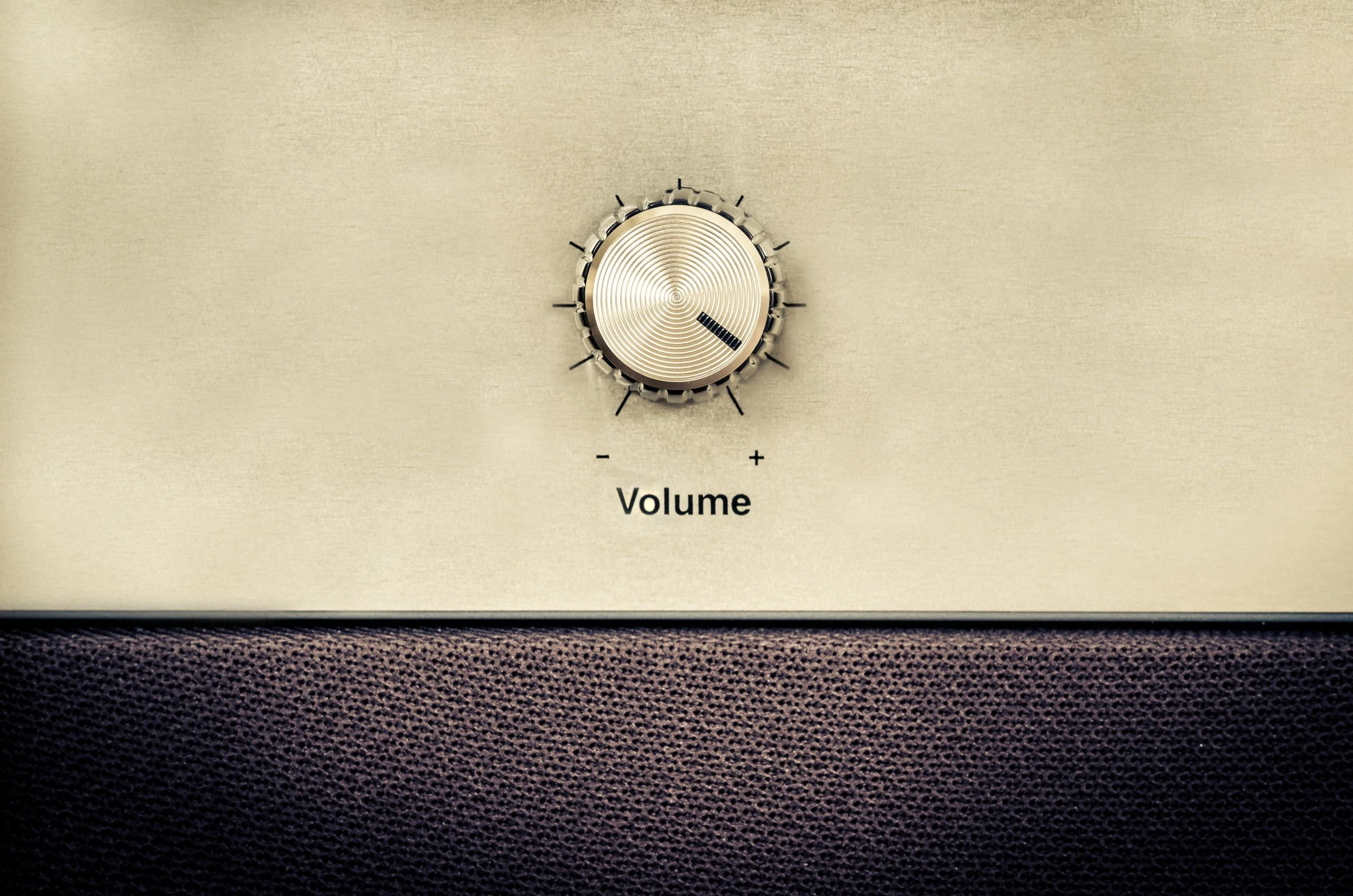
Thing of your strengths as operating on a dial, not a switch.
You have more options than “use this strength” and “stop using this strength.” You can employ your strengths to the extent they serve you and your team and then dial them back when they risk creating issues.
To create that balance in practice, ask yourself these questions:
When are the possible downsides to using my strengths in the extreme? Consider possible or actual past consequences, as well as feedback you’ve heard before (especially any that rubbed you the wrong way). Perhaps someone was telling you that an attribute, which you value in yourself, had just reached an extreme. If you have any trouble imaging the possible downsides, ask a trusted colleague.
What indications can I use to detect when my strengths have gone “too far?” Some examples: for attention to detail, notice when a decision is taking longer than a few hours, a day, a week, or whatever you deem appropriate. For empathy, notice your own inner turmoil about decisions that feel like the “right thing to do” but that raise your concerns about emotional impact. For strategic foresight, consider checking in with your team: do they understand what their priorities are this week?
What other strengths (mine or someone else’s) can I use to keep extreme ones in check? Here’s some great news: you have more than one strength! If one seems to keep popping up in the extreme, you likely have others you can use to keep your leadership behaviors in balance. Worried about being a pushover who gives too much deference to others’ possible upset? Rely on your integrity to put the needs of the mission first (while also leveraging your empathy to tend to people’s needs). If helpful, enlist the help of colleagues whose can use their strengths to help you spot your extremes, keep you on track, or complement your abilities (like the detail-oriented colleague who can turn your grand visions into practical steps).
Once more, your strengths really are strengths – and it is helpful to recognize when, in the extreme, they can have negative consequences for you and your team. Knowing your strengths and how to use them intentionally and in balance is critical to growing as a leader. That’s why I offer a supportive, 360-degree leadership review for my executive coaching clients; it’s invaluable to see all your strengths in context and have help to make the most of them. Set a free coaching fit consult to explore if a 360-degree review is right for you.